The Complete Infrastructure as Code Guide
Master Terraform, CloudFormation, and modern IaC practices. From tool selection to production patterns — a comprehensive guide for cloud infrastructure teams.
Why Infrastructure as Code Matters for Cloud Costs
Infrastructure as Code (IaC) isn’t just an operational best practice — it’s a critical lever for cloud cost management. When your infrastructure is defined in code, you can:
- Review changes before they cost money — catch oversized instances in pull requests
- Enforce cost guardrails — policy-as-code prevents expensive mistakes
- Reproduce environments cheaply — spin up and tear down environments on demand
- Audit spending decisions — git history shows who provisioned what and when
Teams without IaC tend to accumulate cloud waste faster because there’s no review process for infrastructure changes and no easy way to clean up abandoned resources.
Terraform vs CloudFormation: Choosing Your Tool
The two dominant IaC tools serve different needs:
Terraform
Best for: Multi-cloud environments, teams that want provider flexibility, and organizations that prefer a declarative HCL syntax.
Terraform’s provider ecosystem covers AWS, Azure, GCP, and hundreds of other services. Its state management, plan/apply workflow, and module system make it the industry standard for teams managing infrastructure across multiple providers.
Key considerations:
- The BSL license change (from HashiCorp) has pushed some teams toward OpenTofu
- State file management requires careful planning (remote backends, locking)
- Provider version pinning is essential for reproducible deployments
CloudFormation
Best for: AWS-only teams that want deep AWS integration, native support for new services on day one, and no external state management.
CloudFormation is AWS’s native IaC service. It handles state management automatically, integrates with AWS organizations and service catalog, and supports every AWS service immediately on launch.
Key considerations:
- JSON/YAML templates can be verbose — CDK addresses this with programming language support
- Drift detection helps identify manual changes
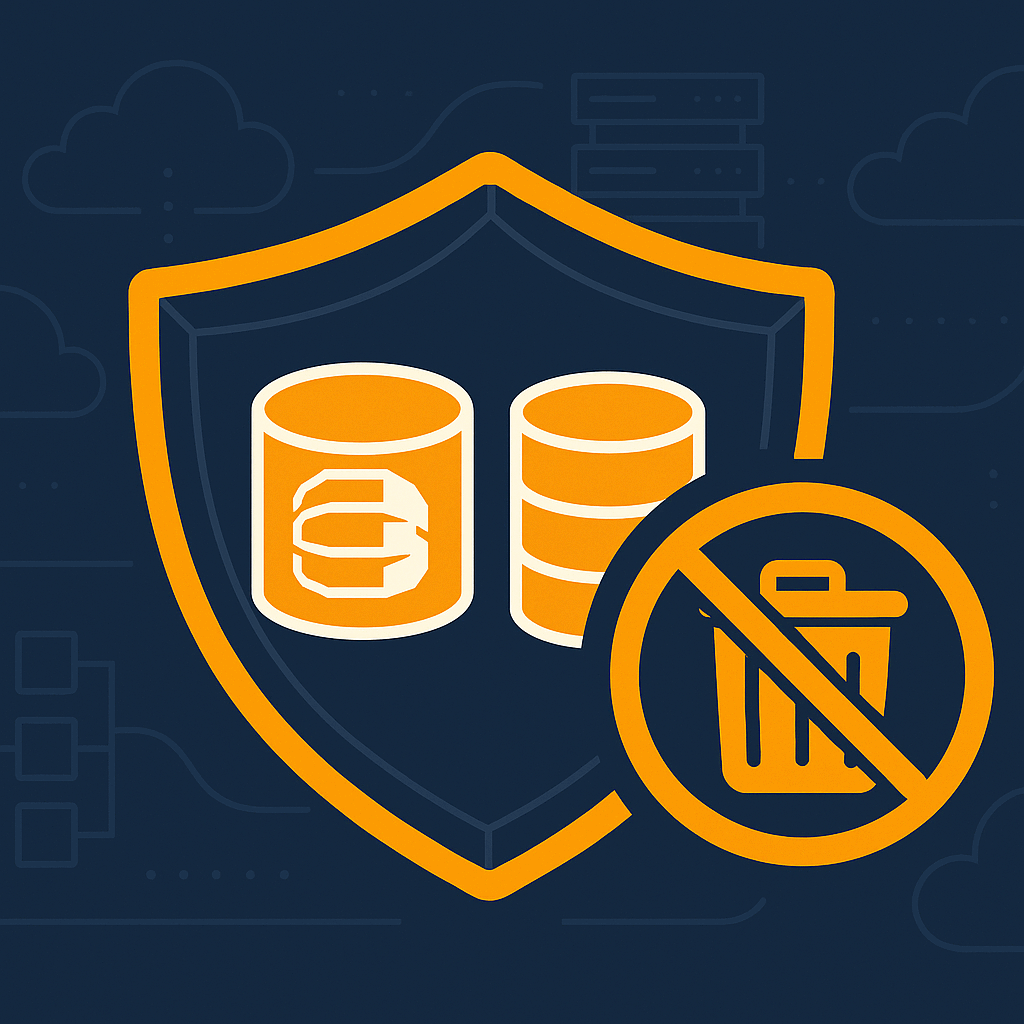
DeletionPolicyandUpdateReplacePolicyare critical for data protection — get them wrong and CloudFormation will happily delete your production database
The OpenTofu Fork
HashiCorp’s license change from MPL to BSL in 2023 triggered the OpenTofu fork, backed by the Linux Foundation. This has created a real choice for Terraform users:
- Stay with Terraform if you’re comfortable with the BSL license and want HashiCorp’s commercial support
- Move to OpenTofu if open-source licensing matters to your organization or you want community-driven governance
Both are compatible with existing Terraform configurations for now, but they’re diverging over time.
Modern IaC Patterns
Hybrid Approaches
Real-world infrastructure often benefits from combining tools:
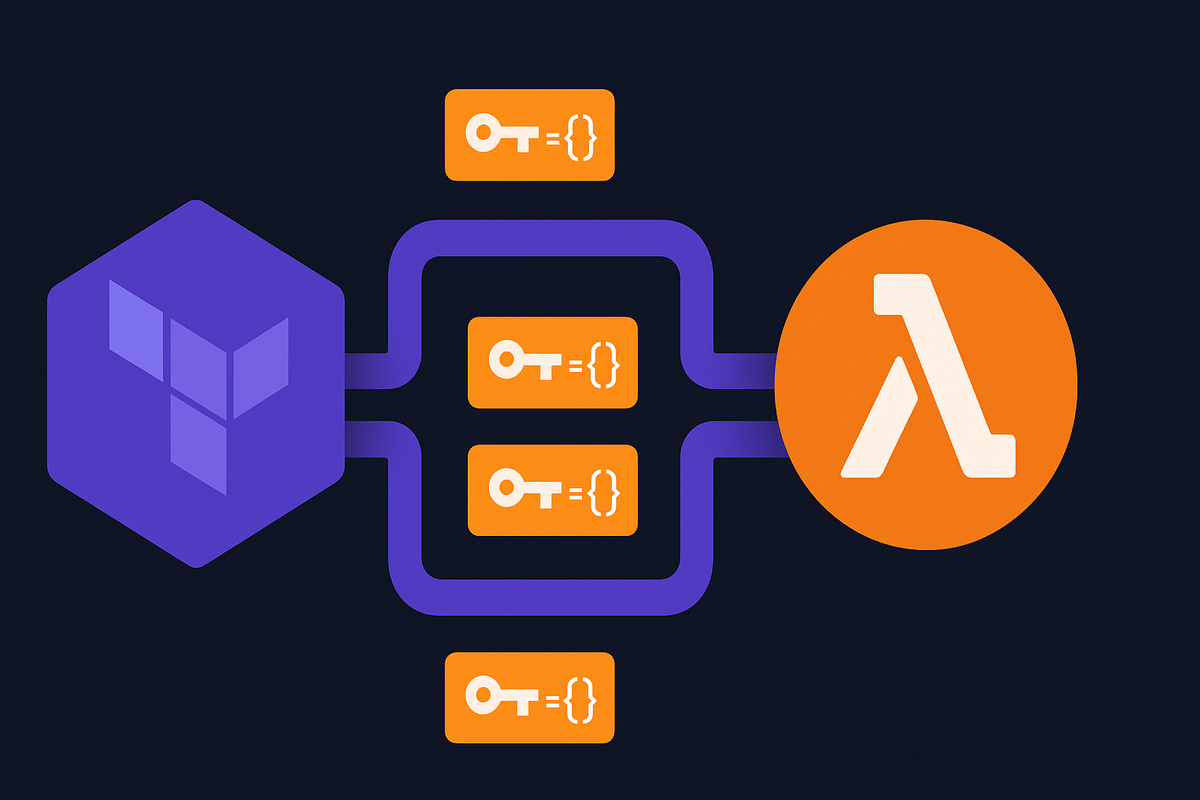
- Terraform for infrastructure + Serverless Framework for Lambda — Let each tool handle what it’s best at
- Terraform for base infrastructure + Helm for Kubernetes workloads — Separate infrastructure lifecycle from application lifecycle
- CloudFormation for AWS + Terraform for multi-cloud — Use native tools where they’re strongest
Cost-Aware IaC
Embed cost awareness into your IaC workflow:
- Pre-deployment cost estimation — Tools like Infracost show the cost impact of Terraform changes in pull requests
- CloudExpat’s GitHub Action — Surfaces cost optimization insights directly in PRs
- Tagging enforcement — Require cost allocation tags in IaC templates
- Right-sizing in code — Review instance types and storage configurations during code review
Safety Patterns
Critical patterns that prevent costly mistakes:
- Always set
DeletionPolicy: Retainon stateful resources (databases, storage) - Use
prevent_destroylifecycle rules in Terraform for critical resources - Implement drift detection — manual changes bypass your cost guardrails
- Test infrastructure changes in staging with the same IaC code before production
IaC and Cloud Cost Optimization
CloudExpat integrates with your IaC workflow through our GitHub Action, which surfaces cost optimization recommendations directly in pull requests. This shifts cost optimization left — catching expensive infrastructure decisions before they hit production, not after the bill arrives.
Ready to Optimize Your Cloud Costs?
Connect your cloud accounts in 30 seconds. See exactly where you're overspending — no commitment, no risk.